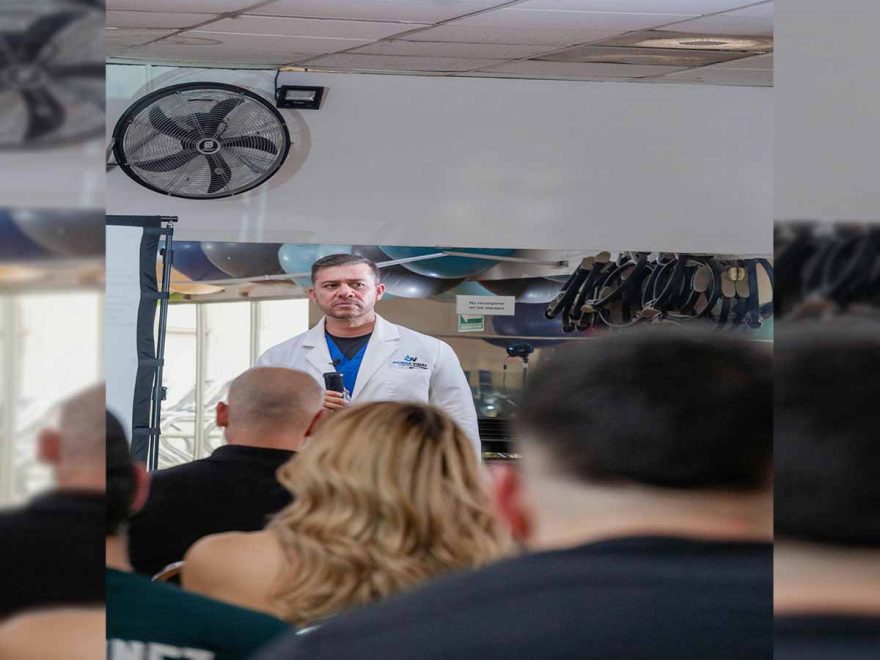
Recovering from a car accident is difficult work that requires a lot of energy and effort on your part. And while every injury is unique, there are some processes and strategies you can use to hopefully accelerate the healing and feel better faster.
Moving Toward a Full Recovery
Recovering from a car accident is difficult work that requires a lot of energy and effort on your part. There’s a physical side to things as well as emotional and financial components. While it might not be at the top of your radar right now, you’d be wise to hire an attorney to explore the financial side of things so that you can focus on the physical and emotional recovery.
“When a motorist ignores this responsibility and leaves someone else injured in the process, it amounts to a breach of the duty of care owed by the driver, and a personal injury claim can result,” Bamieh & De Smeth explains.
It’s this personal injury claim that can help pay for your recovery and all of the bills that come with it. But again, that’s what an attorney is for. You hire the attorney and let them deal with the legal complexities. Then you can focus on your health.
And while every injury is unique, there are some processes and strategies you can use to hopefully accelerate the healing and feel better faster.
Consider this a holistic guide to speeding up the recovery process. It covers immediate steps to take following an accident, as well as some suggestions for reaching a full recovery much faster.
Seek Immediate Medical Attention
Right after a car accident, you must seek proper medical attention, even if you “feel” fine. Some injuries might not be immediately apparent. Adrenaline can mask pain, and symptoms can be delayed for several hours or even a full day. The right healthcare professionals can identify injuries that you might not notice, like internal bleeding or a concussion.
Getting a thorough medical evaluation also creates a record of your injuries, which is important if you need to make an insurance claim or seek legal action later on. Don’t skip this step, as inconvenient as it might feel. (It matters for both your physical health and any potential financial recovery.)
Follow Your Doctor’s Orders
Once a doctor has evaluated you and prescribed a treatment plan, stick to it. This might include taking medication, using ice packs, doing physical therapy, or following specific care routines. It’s tempting to cut corners, especially if you start feeling better, but you should never stop prematurely (as it could compromise the rest of your recovery).
If your doctor prescribes physical therapy or rehabilitation, make sure to attend all the sessions. These treatments are designed to help you regain strength and give you greater flexibility and function. Skipping appointments can slow down your recovery and prolong pain or discomfort.
Rest and Allow Your Body to Heal
Your body needs time and energy to heal, so make sure you’re getting enough rest and sleep. Here are a few suggestions:
Listen to your body and avoid pushing yourself too hard too soon, as overexertion can worsen injuries and delay recovery. Hint: This might mean taking time off work or reducing your daily activities.
Create a comfortable resting environment at home. Use pillows to support injured areas and make sure your sleeping area is conducive to good sleep.
Create a good bedtime routine in the evening to help your body wind down and enter into a sleep state. This might include going to bed at the same time every day, taking a warm bath or shower prior to bed, taking a natural sleep supplement like melatonin, and avoiding sleep inhibitors like blue light and alcohol within the few hours prior to bedtime.
Eat a Nutritious Diet
A balanced diet rich in vitamins and minerals can really support your recovery in some powerful ways. Nutrients like protein, vitamin C, and zinc are essential for tissue repair and healing. And you should also make sure to include plenty of fruits, vegetables, lean meats, and whole grains in your diet.
Staying hydrated is equally important. As you probably know, water supports digestion, nutrient absorption, and maintaining overall bodily functions. By drinking plenty of water and avoiding excessive caffeine and alcohol, you can help your body heal much faster.
Manage Stress and Anxiety
The psychological impact of a car accident can be as significant as the physical injuries. It’s normal to feel stressed, anxious, or even depressed after such a traumatic event.
If you’re feeling any of these emotional tugs, speaking with a therapist or counselor can help you develop coping strategies. Practices like meditation, deep breathing exercises, and mindfulness can also reduce stress.
Stay Active, Within Limits
While rest is crucial, gentle movement and exercise can also promote healing. Follow your doctor’s or physical therapist’s advice on what types of activities are safe.
Low-impact exercises like walking, stretching, or swimming can improve circulation and reduce stiffness. They can also prevent muscle atrophy, which is a huge challenge for many people when they aren’t getting enough movement during an injury recovery.
Stay Positive and Patient
Recovery is a process that takes time. Stay positive and be patient with yourself. (This is sometimes easier said than done, but try your best) Celebrate small milestones, no matter how minor they might seem. The easiest way to do this is by surrounding yourself with family and friends who can provide encouragement and support, even when you’re feeling down in the dumps.
Move On With Life…Faster
The thing about physical and mental injuries after a car accident is that you can’t rush them. (Doing so can actually make things much worse.) But, with that being said, there are things you can do to move along much faster and ensure a quicker and fuller recovery.
Hopefully, this article has given you some useful ideas to do just that. But at the end of the day, listen to your doctor’s orders – they know best.
Medical writing is essential to healthcare communications, especially when conveying health risks and benefits to diverse audiences.
This intricate task requires a deep understanding of medical topics and the ability to present information in a way that is accessible and actionable. For medical writers, the challenge is to balance scientific accuracy with readability, ensuring that the information provided supports informed decision-making.
Learn how medical writers can effectively communicate health risks and benefits.
Understand the Audience
Understanding the audience is fundamental for medical writers aiming to communicate effectively. Each audience segment, whether healthcare professionals, patients, or the general public, has different informational needs and levels of understanding.
For instance, patients might require explanations free from medical jargon, presented reassuringly, while healthcare professionals may need detailed data and technical descriptions to make informed decisions.
Moreover, cultural sensitivities also play a significant role; what is acceptable or transparent in one culture can be misunderstood in another. Tailoring content to the audience’s specific characteristics ensures the message is heard, understood, and appreciated.
Ensure Clarity and Accuracy
In medical writing, the clarity of the message is just as important as the accuracy of the information. Clarity involves constructing sentences that are straightforward to understand, avoiding convoluted language or overly complex sentence structures. It’s about ensuring the reader understands the message on the first read.
Accuracy, conversely, demands that all presented information be correct and supported by the latest research. Claims are often substantiated with citations from reputable medical journals and studies. Clarity and accuracy can build the reader’s trust in the information, which is essential when communicating health risks and benefits.
Balance Risks and Benefits
When medical writers discuss risks and benefits, they must strive for a balance to avoid presenting a skewed perspective that could unduly influence decision-making. This involves listing benefits and risks and providing context, such as the likelihood of occurrence and the severity of potential outcomes. For example, a treatment may have a 2% risk of serious side effects, which should be weighed against the benefit of treatment effectiveness.
By presenting risks and benefits with clear, quantitative measures, writers can help readers make informed decisions based on a comprehensive understanding of the potential outcomes. This balanced approach is crucial for maintaining objectivity and credibility in medical communications.
Use Visual Aids
Visual aids are pivotal in enhancing the comprehension of complex medical data. Charts, diagrams, and infographics transform abstract data into tangible visuals, making it easier for readers to understand pharmacokinetics or clinical trial outcomes. For example, a well-designed graph can illustrate the progression of drug effectiveness over time, while infographics can summarize the steps of a clinical trial process or visualize statistical results.
These tools are handy in highlighting trends, comparing data sets, and clarifying relationships between variables, thereby aiding readers in making informed decisions based on explicit visual representations.
Think About Ethical Considerations
Ethical considerations are paramount in medical writing, especially when conveying health risks. Medical writers must ensure that their communication is ethical and responsible, presenting risks and benefits unbiased and factual. This responsibility includes avoiding sensational language that might invoke unnecessary fear or hope.
Instead, writers should strive to provide a balanced view that helps readers understand the full scope of the information without exaggeration. Lastly, maintaining confidentiality and respecting patient data privacy are crucial in building and maintaining trust with the audience.
Adhere to Regulatory Standards
Adherence to regulatory standards is critical in medical writing, mainly when the content involves drug approvals or clinical trial data. Medical writers must ensure their documents comply with the relevant regulatory bodies’ guidelines. This compliance ensures that the information provided is accurate and meets the legal standards for public dissemination.
Additionally, staying informed about these standards can be facilitated by reliable resources like regulatory affairs for CMC which offers updated information on the regulatory requirements for chemistry, manufacturing, and controls, thus helping writers produce compliant and authoritative documents.
Consider Revision and Feedback
Revision and feedback are essential processes in refining medical communications. By engaging in multiple rounds of revisions and incorporating feedback from peers and stakeholders, medical writers can enhance the accuracy and effectiveness of their messages. This iterative process allows writers to adjust the tone, clarify ambiguities, and strengthen the presentation of health risks and benefits.
Lastly, feedback from the intended audience can also reveal whether the message is understandable and resonates well with them, ensuring the final document is scientifically accurate and impactful in its delivery.
Concluding remark on How Can Medical Writers Effectively Communicate Health Risks and Benefits?
Effectively communicating health risks and benefits requires a deep understanding of the subject and audience. Medical writers are crucial in bridging the gap between complex medical information and public comprehension.
By keeping the information mentioned above in mind, writers can ensure that their audiences are well-informed, enabling better healthcare decisions.
Squalane has emerged as a superstar in the world of skincare, celebrated for its remarkable ability to hydrate and rejuvenate the skin. This article delves into the origins, benefits, applications, and scientific backing of squalane, providing a comprehensive guide to understanding this exceptional skincare ingredient.
Sophim is your reference partner for the manufacture of your natural and organic cosmetic products, certified and approved by COSMOS. Choose SOPHIM as your natural cosmetic ingredient supplier!
What is Squalane?
Origins and Extraction
Squalane is a hydrogenated form of squalene, a lipid naturally found in human sebum, which is the skin’s natural oil. Originally, squalene was sourced from shark liver oil, but due to ethical and sustainability concerns, most squalane used in cosmetics today is derived from plant sources such as olives, rice bran, and sugarcane. The hydrogenation process stabilizes squalene, making it less prone to oxidation and extending its shelf life.
Chemical Structure
Squalane is a saturated hydrocarbon with the chemical formula C₃₀H₆₂. Its stable, non-comedogenic, and non-irritating properties make it suitable for all skin types, including sensitive and acne-prone skin. The lightweight, non-greasy nature of squalane allows it to be easily absorbed, providing intense hydration without clogging pores.
The Benefits of Squalane
Deep Hydration
One of squalane’s most celebrated benefits is its ability to provide deep hydration. Unlike heavier oils that can sit on the skin’s surface, squalane penetrates deeply, replenishing moisture and creating a protective barrier that prevents transepidermal water loss. This results in smoother, plumper, and more radiant skin.
Anti-Aging Properties
Squalane is rich in antioxidants, which help to neutralize free radicals that contribute to aging. Regular use of squalane can reduce the appearance of fine lines and wrinkles, improve skin elasticity, and enhance the overall texture and tone of the skin. Its ability to mimic the skin’s natural oils also supports the skin’s lipid barrier, which tends to weaken with age.
Skin Soothing and Calming
For those with sensitive or irritated skin, squalane can provide much-needed relief. Its anti-inflammatory properties help to calm redness, and reduce inflammation. Squalane’s gentle, non-irritating nature makes it suitable for post-procedure skincare, such as after chemical peels or laser treatments.
Compatibility with Other Ingredients
Squalane’s versatility extends to its compatibility with other skincare ingredients. It can be easily incorporated into various formulations, from serums and moisturizers to cleansers and masks. Squalane enhances the delivery and efficacy of active ingredients like retinol, vitamin C, and hyaluronic acid, making it a valuable addition to any skincare routine.
Squalane in Skincare Products
Moisturizers and Serums
Squalane is a popular ingredient in moisturizers and serums due to its hydrating and anti-aging benefits. Products containing squalane can be used both morning and night to maintain optimal moisture levels and protect the skin from environmental stressors.
Cleansers
In cleansers, squalane helps to dissolve makeup and impurities without stripping the skin of its natural oils. This gentle cleansing action leaves the skin feeling clean, soft, and hydrated, making it ideal for daily use.
Facial Oils
As a standalone facial oil, squalane can be used to seal in moisture, boost radiance, and enhance the skin’s overall appearance. A few drops applied to the face and neck can provide an extra layer of hydration, particularly during dry or cold weather.
Body Care
Squalane’s benefits extend beyond facial skincare. It is also used in body lotions, creams, and oils to hydrate and nourish the skin. Regular use can improve skin texture, reduce dryness, and promote a healthy, radiant glow.
Scientific Backing
Clinical Studies
Numerous clinical studies have demonstrated the efficacy of squalane in improving skin hydration, reducing the appearance of wrinkles, and enhancing skin elasticity. A study published in the Journal of Cosmetic Dermatology found that squalane significantly increased skin moisture levels and reduced fine lines after four weeks of use.
Dermatologist Recommendations
Dermatologists often recommend squalane for its gentle, non-irritating properties. It is particularly beneficial for individuals with dry, sensitive, or aging skin. Its ability to support the skin’s natural barrier function and protect against environmental damage makes it a valuable component of a comprehensive skincare regimen.
Environmental and Ethical Considerations
The shift towards plant-based squalane has addressed ethical concerns related to shark-derived squalane. Sustainable sourcing from renewable plant materials like olives ensures that squalane production is environmentally friendly. Companies are increasingly transparent about their sourcing practices, offering consumers peace of mind regarding the sustainability and ethics of their skincare products.
Incorporating Squalane into Your Skincare Routine
Choosing the Right Product
When selecting squalane-based products, look for formulations that match your skin type and concerns. For dry or mature skin, opt for richer creams or facial oils. For oily or acne-prone skin, lightweight serums or gel-based moisturizers may be more suitable.
Application Tips
To maximize the benefits of squalane, apply it to clean, damp skin. This helps to lock in moisture and enhance absorption. Squalane can be used alone or layered with other skincare products. For daytime use, follow with sunscreen to protect against UV damage.
Consistency is Key
As with any skincare ingredient, consistency is crucial. Incorporate squalane into your daily routine for long-lasting results. Over time, you may notice improvements in skin hydration, texture, and overall appearance.
Conclusion
Squalane has earned its place as a staple in modern skincare, thanks to its hydrating, anti-aging, and soothing properties. Its compatibility with various skin types and other skincare ingredients makes it a versatile and valuable addition to any beauty regimen.
As research continues to support its benefits and sustainable practices ensure ethical production, squalane stands out as a skincare marvel that promises to deliver radiant, healthy skin.
PortHarcourt, one of Nigeria’s most populated cities, is home to some of the Finest Pediatric Hospitals.
This Article aims to expose you to the Leading Pediatric Hospitals In Port Harcourt, Nigeria.
Our kids are our joy and happiness, so we are often worried and uncomfortable whenever they fall ill.
As a good parent, you should honestly prioritize the Health and well-being of your Children, irrespective of the cost and inconvenience.
Every good parent should honestly be mindful of their Child’s health, they should hastily tackle every medical-related problem faced by their children.
To ensure, your Kids receive the best medical attention whenever they are sick, it’s indeed advisable you take them to a well-equipped Pediatric Hospital for treatment.
I believe you understand the role of a Pediatric Hospital in Today’s world, for clarification, a Pediatric hospital is specifically for treating children and young Adults.
Pediatric Hospitals should be your best shot if you need a hospital that would prioritize your child’s medical needs to a much greater extent.
For your sole benefit, I have carefully highlighted some of the best Pediatric Hospitals, although my area of Focus is the City of Port-Harcourt, Nigeria.
I sincerely encourage you to review each of these Port-Harcourt-based Pediatric Clinics, to know which Hospital will be suitable for your wards.
Without wasting much time, let’s get to see some of the Leading Pediatric Hospitals In Port Harcourt, Nigeria, I got you covered.
Top Pediatricians In Nigeria
Let’s get to see some of the best Doctors for Child health living in Nigeria.
1. Pediatrician Ben Wazieh Adaobi
Dr. Ben Wazieh Adaobi is among the Finest Child Health Doctors in Nigeria, she has practiced for over thirteen(13) years.
Dr Ben Wazieh Adaobi is an Igbo woman by tribe, she is indeed well-experienced in handling Children-related medical cases like Children Asthma, Pediatric Surgeries, Pediatric Diabetics, Pediatric Diseases, Urinary problems faced by children e.t.c
Notwithstanding, Dr Ben Wazieh Adaobi is currently a Pediatric Specialist at Divine Grace Specialist Hospital, located in Kano, state Nigeria.
2.Pediatrician Sanusi Yunusa
Dr. Sanusi Yunusa is also among the best Pediatricians Located in Nigeria, he is also based in Kano state.
Dr Sanusi Yunusa is currently a leading Pediatrician at Queen Heritage Hospital in Kano state, he has over fifteen(15) years of experience.
3. Pediatrician Emodi Christopher
Dr Emodi Christopher is also among the best Pediatric Doctors in Nigeria, he is currently working at the prestigious Federal Medical Center Owerri, Imo State Nigeria.
4.Pediatrician Marcel Ugochukwu Onochie
Dr Marcel Ugochukwu Onochie is also among the finest Child health medical doctors in Nigeria, his current place of Assignment is at Xtracare Hospital in Delta state, Nigeria.
So if you are in search of a good Pediatric doctor to treat your Child in Delta State, Dr Marcel Ugochuwu Onochie should be your best shot.
5. Pediatrician Emodi Christopher
Dr. Emodi Chritopher is another Outstanding Pediatric doctor in Nigeria, he is also a medical Doctor at the Federal Medical Center Owerri(FM C).
Visit the LinkedIn page of Pediatrician Emodi Christopher
6.Pediatrician Dr Abdusalam Moruf
Dr Abdusalam Moruf is also a well-experienced Pediatric Doctor, he has over Twenty-two(22) years of Experience in the Field of Pediatric medicine.
Dr Abdusalam Moruf is currently a Pediatric Surgeon at the Lagos State University Teaching Hospital in Lagos State, Nigeria.
7. Pediatrician Gbelan N.
Dr Gbelan N. is among the Finest Pediatric Doctors in the city of Port-Harcourt, Nigeria, he is currently offering his service at Shiloh Medical Hospital in Abuloma, Port-Harcourt.0
Leading Pediatric Hospitals In Port Harcourt
6 Leading Pediatric Hospitals in Port Harcourt
Morning Star Hospital
Rivers State University Teaching Hospital
Spring Rose Hospital
Tehilah Children Hospital
Bennett Specialist Hospital
Anchor Hospital
Erlings Children Hospital
Morning Star Hospital is among the leading Pediatric Hospitals In Port Harcourt, Nigeria, it is a privately owned hospital.
Notwithstanding this Private Hospital is jointly owned by a group of Medical Consultants from different Fields.
Morning Star Hospital is honestly one of the oldest Pediatric Hospital in the city of Port-Harcourt, the Hospital has existed for over thirty(30) years.
This Hospital honestly has a well-equipped Pediatric Ward where it offers top-notch Pediatric treatment to Children.
Morning Star is always open to patients any time any day, the hospital is open 24 hours every day.
Nevertheless, Rivers State University Teaching Hospital is a government-owned Hospital, it’s been managed and owned by the River State Government.
Rivers State University Teaching Hospital has one of the oldest Pediatric Department, the hospital Pediatric unit was established in 1980.
The Pediatric and Child Health Departments at this Hospital have the finest Pediatric Doctors and Facilities for Children.
Surprisingly, the Pediatric center at this Hospital is targeted at providing Pediatric-based treatments to children from the south-south Geopolitical zone of Nigeria.
One distinguishing feature of the Pediatric Center at Rivers State Teaching Hospital is its Affordability, the hospital honestly offers standard healthcare services to children at a very affordable fee.
The Pediatric Unit at this Hospital has about Six(6) main sectors, which include the Emergency unit, Special Baby care unit, Children’s Ward, Out-Patient Clinic, and Diahorea Training Unit.
Furthermore, the Hospital’s Pediatric Unit also offers Consultancy Services in areas like Neonatology, Oncology, Neurology, Hematology e.t.c
For more information regarding the Pediatric Department at this Hospital click here.
Spring Rose Hospital comes next on our list of the best Pediatric hospitals in the city of Port-Harcourt.
Spring Rose Hospital, offers several medical services aside from Pediatric treatment, the hospital is a multi-specialist clinic.
Some of the other medical-related services offered by Spring Rose Hospital include Obstetrics, Gynaecology, Surgery, Diagnostics-related services e.t.c.
Spring Rose Hospital also offers On-site Lab testing, the hospital is always open 24 hours every day.
This private hospital has a very good reputation in Port-Harcourt, for over Fifteen years, Spring Rose Hospital has served the people of Port-Harcourt with Quality medical services.
Spring Rose also offers affordable Pediatric treatment to children, despite being a Private-owned Hospital. Visit the Hospital webpage to gain clarity on the list of Medical services offered by this Clinic.
4.Tehilah Children Hospital
Address: Maxwell Adoki Street, Off Peter Odili Rd, Abuloma, Port Harcourt
Phone: 0807 701 9846
Tehilah Children Hospital is also part of The Leading Pediatric Hospitals In Port Harcourt, Nigeria.
This Hospital was specifically created to handle medical-related cases that are associated to children.
Tehilah Children’s Hospital was built to treat children between the ages of Two(2) to Eighteen years.
The hospital is a privately owned Pediatric Clinic, the clinic has been in existence since 2009 in the city of Port-Harcourt.
Tehilah Children’s Hospital is indeed committed to providing quality Pediatric services to children, using Cutting-edge Facilities and Innovation.
Some of the Pediatric-related treatments offered by this clinic include Emergency Pediatric Treatment, Pediatric Surgery, Pediatric outpatient services, Pediatric Patient Care, Newborn care e.t.c.
Phone: 08058128251
Address:100 Shell Location Rd (Apirikom) By Open Doors Rd, Ada George. Port Harcourt
Bennett Specialist Hospital is another Outstanding Pediatric Hospital Situated in the City of Port-Harcourt, Nigeria.
This hospital is not only a Pediatric Hospital but a multi-specialist Hospital, handling several medical cases associated with Adults and Children.
Bennett Specialist Hospital is a privately owned Specialist Hospital, the hospital has been in existence since 2015.
The hospital has a well well-equipped pediatric ward, and it’s always open 24 hours Every day(Monday to Sunday).
Aside from the Pediatric Doctors in this Clinic, the hospital also has well-experienced doctors handling medical-related cases in Obstetrics and Gynaecology.
Notwithstanding, the Pediatric-based service offered at Bernett Specialist Hospital is quite Affordable.
Visit Hospital’s Webpage
6. Anchor Hospital
Phone:+234 803 310
Address: Km 15, Port-Harcourt/Aba Exp. way, Near Eleme Junction, Rivers, Port Harcourt, Nigeria
Anchor Hospital also has a world-class Pediatric Department, the clinic is among the best privately owned hospitals in Port Harcourt.
This hospital is best at curing Children suffering from Fever, aside from the substantial Pediatric Care offered by Anchor Hospital, it also offers several other medical services.
If you love pizza but don’t want to pack on the pounds from all those extra calories, there is a way around that. All you have to do is start eating healthier pizza. If that sounds tasteless, don’t worry; there are plenty of ways to make healthy, delicious, and irresistible pizza.
Eating homemade pizza can even help improve your health. For example, just switching from restaurant pizza to pizza made in your backyard will reduce the amount of calories you consume, especially fats and carbs. It’s not the only key to living a healthy lifestyle, but it is a worthwhile change to make.
Healthy pizza can be absolutely tasty
Have you ever bought a frozen pizza because it was supposed to be healthier, but you couldn’t stand the taste? That’s normal for store-bought pizza. However, regardless of how many bad healthy pizzas you’ve tried, tasty, healthy pizza does exist. You just have to find the ingredients that work for you and make it at home.
Unfortunately, fat is where most of the flavor is in pizza. When a pizza isn’t made from the standard greasy ingredients, like stuffed crust, cheese, and meat toppings, it might be a little less flavorful. The solution is to choose ingredients that taste good together and create a specific flavor profile.
Unlike standard pizza, you can’t just toss any toppings together and expect a good flavor. You need to be intentional, and that’s where recipes will come in handy. Since other people have already done the work to find out what tastes good, all you need to do is find a base recipe that works as-is or that you can modify to your liking.
You can still enjoy all your favorite traditional toppings, like onions, garlic, pepperoni, mushrooms, bell peppers, and sausage.
The difference with homemade pizza is that you can make the crust much thinner to cut back on excess calories. You can also use turkey sausage and turkey pepperoni to reduce the amount of fat. With tasty substitutions, you can eat more slices without feeling guilty.
Healthy pizza doesn’t have to taste like takeout
You probably won’t be able to recreate the exact flavor of your favorite takeout pizza, and that’s not a bad thing. Don’t think of homemade pizza as a replacement for takeout or delivery.
Consider it an entirely different meal that you can use to explore a variety of recipe ideas. For instance, a Banh Mi pizza will look more like a salad, but with that crispy, golden brown crust, it’s going to taste better than any salad you’ve ever had.
Since the possibilities for toppings and flavor combinations is endless, you can experiment with just about anything. For instance, you can make a pizza topped with ground turkey and spicy barbecue sauce, or turn your favorite hamburger fixings into a pizza.
There’s also the option of making your pizza with taco toppings and adding the lettuce and tomato at the end to keep things crisp. Anything that normally tastes good as a sandwich or wrapped in a tortilla can potentially make an amazing pizza.
Healthy pizza can encourage eating more
If you struggle to eat enough during the day, making healthy pizza at home might be the solution. Pizza has been scientifically proven to activate the brain’s reward centers and release feel-good chemicals, including dopamine.
When regular food doesn’t interest you, pizza might make you want to eat. If that’s the case, you can load up your personal pizzas with all the veggies and other foods you need to meet your daily nutritional requirements. Just smelling a fresh pizza baking in the oven could be enough to make you hungry.
Why not eat healthy pizza for every meal?
If you’re used to having pizza for lunch and dinner, don’t forget that you can also make breakfast pizza. In fact, a pizza made with breakfast toppings might actually contain fewer calories than a real breakfast, depending on what you normally eat.
For instance, once you have your crust and preferred sauce, add some onion, cilantro, tomato, cheese, red pepper, cheese, and eggs. As the pizza bakes, the eggs will cook and you’ll have delicious breakfast pizza for the whole week.
Homemade healthy pizza is the best
The bottom line is that eating pizza doesn’t have to be unhealthy. You can make your own pies at home and turn them into deliciously healthy meals without much effort. When done right, homemade pizza can be healthier than a lot of meals you currently eat, so why not try it out?
If you want to improve your vision without the need for corrective lenses, you might consider getting LASIK surgery.
But what exactly is this procedure? What are the pros and cons associated with it? And is it always the right decision for improving your vision?
What Is LASIK Surgery?
LASIK surgery, short for laser-assisted in situ keratomileusis surgery, is a procedure designed to correct certain types of vision problems.
At the front of your eye is a layer of transparent tissue known as the cornea; the cornea is responsible for focusing light onto the back of your retina, which is the effect primarily responsible for the images we see. If the cornea is misshapen, it won’t be able to refract light appropriately, resulting in poor vision at certain distances.
Through LASIK surgery, trained professionals can use technologically advanced laser cutting tools to gently reshape the cornea, allowing it to refract light appropriately. The end result is that you’ll be able to see with nearly perfect vision, and without the need for corrective lenses.
Pros of LASIK Surgery
This type of surgery is advantageous for several reasons:
· Speed. People appreciate LASIK surgery in part because of how quick it is. The surgery itself takes less than an hour in most cases, and when the procedure is over, you’ll be able to go home. You won’t need to be under general anesthesia, nor will you be forced to undergo hours of surgical procedures to your eyes.
· Safety. Generally, LASIK is considered safe. The overwhelming majority of cases go very smoothly, with patients reporting positive results as soon as the recovery period is over. There is a risk of side effects, and there have been cases of surgeries that have gone wrong, but these tend to be extremely rare.
· Immediate results. Most patients who undergo LASIK surgery see immediate (or nearly immediate) results. In the immediate aftermath of the procedure, your vision will likely be blurry, but after a brief round of recovery, you’ll experience fully detailed vision.
· No need for corrective lenses. One of the biggest selling points of this procedure is that once it’s over, you’ll no longer have a need for corrective lenses. Instead of wearing contact lenses or glasses, you’ll be able to see the world perfectly clearly with no external support.
Cons of LASIK Surgery
However, there are also some drawbacks to consider:
· Eligibility. Not everyone is a good candidate for LASIK surgery. Just because you wear contact lenses or glasses, that doesn’t mean that LASIK is a good option for you. If you currently have significant health issues, if the root cause of your vision issue is anything other than a misshapen cornea, if you’re pregnant, or if you’re excessively old or young, you may not qualify for this procedure. The good news is that the majority of the population with vision problems can and will qualify.
· Lack of coverage. LASIK isn’t covered by health insurance policies. In other words, you will have to pay out of pocket for this procedure. However, this surgical procedure tends to be relatively inexpensive, making it affordable for most people who qualify.
· Potential for injury. After your procedure, your corneas and eyes may be more sensitive to injury. You’ll have to be extra careful in the weeks and first few months following your LASIK surgery.
· Potential need for further procedures. Remember that there’s a chance your vision may decline in the future, even after this procedure. Some people don’t like the idea of going back for subsequent procedures to restore their vision back to normal – but this doesn’t always happen and shouldn’t happen often.
LASIK surgery is generally impressive and has helped countless people see without the need for corrective lenses. It’s incredibly fast, safe, and effective, so there are some risks and caveats to consider.
If you’re interested in improving your vision safely and conveniently, do your due diligence to learn more about this procedure and consider moving forward with it when you have all the information.
Are you a psychology student or mental health professional looking to build specialized counseling skills?
Completing a versatile industry qualification in mental healthcare – like an MSN or online Masters in Clinical Mental Health Counseling, for instance – can lead you down several specialized career pathways as almost any type of counselor you can imagine.
Just think: you could become a child counselor, help those struggling with addiction, support people grieving loved ones, or provide guidance as a family violence counselor.
The best part? Your professional skill set as a counselor will be in high demand, regardless of which area of specialization you choose.
Keen to learn more about where your counseling qualification can take you? Just keep reading.
Photo Credit: Pexels.com
What Areas Can I Specialize in As a Counselor?
Working as a counselor is about more than just earning a degree. Developing specialist knowledge is a good start, but putting these theories into practice as a professional takes years to fine-tune.
Working with clients and applying your knowledge is how you truly forge your career as a counselor, but it also means you’ll never be boxed into one particular career path.
Here are some of the varied counseling specializations you can choose from:
Addiction / Substance Abuse Counseling
This is considered one of the most challenging areas of counseling specialization. Due to the nature of their illness, substance abuse addicts are, at times, resistant to treatment.
This can be for several reasons. For one, the severity of their addiction and their dependence on a substance can cause reluctance to seek treatment.
In addition to this, they can be deterred from seeking help due to the stigma or shame they may be feeling around their addiction. This makes your job as a substance abuse counselor difficult, particularly if your patients are not responsive to your methods.
Despite this, substance abuse counselors are in high demand today. Substance abuse is still epidemic in America: in a recent national survey by the U.S. Department of Health and Human Services, it was found that as many as 70.3 million people aged 12 or older had used an illicit drug in the past year, with 48.7 million of them suffering from some form of a Substance Use Disorder (SUD).
If you choose to become an addiction or substance abuse counselor, you will – no doubt – see it all.
Domestic Abuse and Family Violence Counseling
In the United States and all around the world, domestic and family violence remains a major health, welfare, and social issue. Luckily, family violence counselors can provide much-needed support to those affected.
You’ll be exposed to confronting scenarios in this profession too: your clients will predominantly be victims of abuse and violence, and it will be your job to support them through it.
Often, victims of domestic violence are ‘too terrified to come forward’. For this reason, there are certain strategies family violence counselors must use to make clients feel like they can be upfront and share their traumas.
A key component of this includes being able to provide a non-judgmental, safe space for victims of violence to open up and access the care and support they need.
Grief Counseling
Grief. For many people, it can be extremely overwhelming, and challenging to overcome.
One of the most important elements of being a grief counselor, though? Having genuine empathy and compassion for your patients.
Child Counseling
As children, we all learn to navigate the world differently. Yes, it can be easy to dismiss the issues children experience as trivial.
But actually, it’s important to remember that all of us understand, process, and react to things in different ways – especially when we are young. This is where the expertise of a child counselor can step in, to help children make sense of what’s happening around them.
As a child counselor, then, you can help children comprehend life events that seem overwhelming to them, as well as help them overcome personal problems. Problems like difficult relationships with other children, bullying, family and parental relationships, or complicated living situations – particularly if they come from broken homes.
Becoming a licensed counselor doesn’t mean being pigeonholed into one particular role. On the contrary – once qualified, you can choose to become almost any type of therapist you can dream of.
The best part? Irrespective of your area of counseling specialization, you can rest assured that your skills as a therapist will be in constant and high demand.
The importance of patient education cannot be overstated. With the evolution of healthcare from a provider-centric to a patient-centered model, patient education has become a fundamental component in enhancing health outcomes.
An informed patient is better equipped to manage their health, adhere to prescribed therapies, and recognize when medical attention is necessary, thus reducing the likelihood of medical emergencies and hospital readmissions.
Patient education is an essential aspect of modern healthcare, pivotal not only for effective disease management but also for fostering a proactive partnership between healthcare providers and patients.
In this article, I will discuss the various aspects of patient education, including:
Benefits of Patient Education
Components of Effective Patient Education
Challenges in Implementing Patient Education
The Role of Healthcare Providers in Patient Education
Benefits of Patient Education
These benefits not only enhance patient outcomes but also contribute to the efficiency and effectiveness of healthcare systems as a whole.
Here are some of the key advantages to take note of:
Educated patients are more likely to understand their health conditions and the necessary steps required to manage them.
This knowledge enables them to:
Comply with treatment plans
Prevent complications
Manage chronic conditions effectively
Enhanced Patient Engagement
Patient education also fosters a deeper engagement in one’s health care, which can lead to increased satisfaction and better overall care experiences.
Participate actively in their care decisions: They feel empowered to discuss various treatment options and make informed choices in collaboration with their healthcare providers.
Maintain regular communication with healthcare providers: This ongoing dialogue helps in fine-tuning treatment plans and adjusting them as needed based on patient feedback and progress.
Reduction in Healthcare Costs
Educating patients about their health conditions and the importance of preventive care can lead to significant cost savings for both patients and healthcare systems.
Reduced hospital admissions and readmissions
Decreased use of unnecessary medical services
Photo Credit: Pixabay.com
Patient education examples
Here are several examples of patient education methods and tools that healthcare providers commonly use to improve patient understanding and engagement:
Brochures and Pamphlets
Educational Videos
Classes and Workshops
One-on-One Counseling
Digital Health Tools and Apps
Interactive Websites
Support Groups
Newsletters
Infographics
Follow-Up Phone Calls or Emails
Components of Effective Patient Education
To ensure that patient education is beneficial and impactful, several key components must be incorporated into its framework.
These elements help in creating an educational approach that is not only comprehensive but also tailored to meet the diverse needs of patients.
Accessibility of Information
Ensuring that educational material is accessible to all patients, regardless of their educational background, language, or health literacy levels, is crucial.
This involves:
Simplifying medical jargon: Using plain language in oral and written communications to make health information more digestible.
Providing multilingual resources: Offering materials in multiple languages to cater to a diverse patient population.
Utilizing various formats: Leveraging videos, diagrams, pamphlets, and digital apps to cater to different learning preferences and technological capabilities.
Patient-Centric Approaches
Patient education must be customized to fit individual needs(patient-centric), which requires understanding and addressing the unique circumstances of each patient:
Assessing patient needs: Gathering information about the patient’s current knowledge, health beliefs, and preferences.
Engaging family and caregivers: Involving the patient’s support network can enhance understanding and adherence to health management plans.
Setting realistic goals: Collaborating with the patient to set achievable health goals based on their specific conditions and lifestyle.
Continuous Education
Healthcare is an ongoing process, and patient education should be continuous rather than a one-time event. This continuous learning approach involves:
Regular updates
Follow-up consultations
Encouraging self-education
Types of patient education
Patient education can be classified into several types based on the information provided, the method of delivery, and the specific objectives intended to be achieved.
Disease Education
This type of education focuses on specific diseases or conditions. It includes information about the causes, symptoms, progression, and potential complications of a disease.
The aim is to help patients understand their condition better and manage their symptoms effectively.
For example, educating a patient about managing type 2 diabetes would involve information about blood sugar monitoring, dietary recommendations, and the importance of regular exercise.
Preventive Education
Preventive education aims to inform patients about behaviors and measures that can prevent the onset of diseases.
This includes vaccinations, cancer screenings, and lifestyle modifications such as quitting smoking or eating a balanced diet.
Preventive education is crucial for reducing the risk of many chronic conditions and for promoting long-term health.
Procedural Education
This education is provided to patients who are scheduled to undergo a medical procedure.
It covers what to expect before, during, and after the procedure, potential risks and benefits, and the care required at home post-procedure.
For example, patients undergoing surgery may receive education on pre-operative preparations and post-operative care to minimize complications.
Medication Education
Medication education involves teaching patients about the medications they are prescribed, including how to take them correctly, the dosage, possible side effects, and interactions with other medications or foods.
It is essential for ensuring medication compliance and for preventing adverse drug events.
Nutritional Education
This type of education provides patients with information about diet and nutrition to manage their health conditions.
It can include guidance on calorie intake, specific nutrients, meal planning, and dietary adjustments to manage conditions such as hypertension, obesity, or celiac disease.
Lifestyle Education
Lifestyle education focuses on changes in daily habits and behaviors such as increasing physical activity, managing stress, and improving sleep patterns.
It is often used in the management of chronic diseases, mental health conditions, and general health promotion.
Psychosocial Education
This education addresses the psychological and social factors affecting a patient’s health.
It may include strategies for coping with illness, understanding and managing emotions, and improving communication with family and caregivers.
Psychosocial education is particularly important for patients dealing with chronic pain, cancer, or mental health disorders.
Health Literacy Education
This aims to improve patients’ ability to understand health information and navigate the healthcare system effectively.
It includes teaching patients how to communicate with healthcare providers, understand health insurance, and make informed health decisions.
Challenges in Implementing Patient Education
While the benefits of patient education are clear, numerous challenges can hinder its effective implementation.
These obstacles must be identified and addressed to ensure that all patients receive the education they need to manage their health effectively.
Here’s an exploration of common challenges and potential solutions in the field of patient education:
Language and Literacy Barriers
A significant challenge in patient education is the diversity of patients’ language and literacy levels. Not all patients can easily comprehend medical information, especially if it is not provided in their primary language or is too complex.
Solutions:
Develop and distribute health materials in multiple languages.
Use visual aids and simplified language to make information accessible to those with low literacy skills.
Cultural Differences
Cultural beliefs and values can greatly influence a patient’s perception of health and wellness, which can affect their engagement with medical advice.
Solutions:
Incorporate cultural competence training for healthcare providers to better understand and respect diverse cultural perspectives.
Tailor educational materials to reflect cultural practices and beliefs where possible.
Technological Limitations
Not all patients have equal access to digital resources, which can limit their ability to receive modern patient education tools.
Solutions:
Provide alternative formats of education, such as printed materials or in-person workshops, to ensure accessibility.
Implement community outreach programs that offer training and resources for using digital health tools.
Time Constraints
Healthcare providers often face significant time pressures, which can limit their ability to offer thorough patient education during consultations.
Solutions:
Integrate patient education into every part of the healthcare process, not just during doctor-patient meetings.
Employ dedicated patient educators or health coaches who specialize in providing comprehensive education outside of the traditional provider-patient interaction.
Evaluation of Educational Effectiveness
Measuring the effectiveness of patient education programs is crucial but challenging. Without proper evaluation, it’s difficult to improve or tailor programs to be more effective.
Solutions:
Implement feedback mechanisms where patients can report back on the usefulness of the information provided.
Use follow-up surveys and health outcome measurements to assess and refine educational materials and strategies.
The Role of Healthcare Providers in Patient Education
Healthcare providers play a crucial role in patient education, acting as the primary source of reliable health information and guidance for patients.
Their involvement is instrumental in ensuring that patient education is effective, relevant, and supportive of better health outcomes.
Here’s an in-depth look at the responsibilities of healthcare providers in patient education and the resources they need to fulfill these duties effectively:
Responsibilities of Healthcare Providers
Delivering Accurate Information
Communicating Clearly and Effectively
Assessing Understanding and Consent
Personalizing Education
Encouraging Patient Engagement
Resources Needed for Providers
To carry out these responsibilities effectively, healthcare providers need access to a variety of resources:
Training in Patient Communication
Educational Materials and Tools
Support Staff
Time Management Support
Feedback Systems
Future Trends in Patient Education
The landscape of patient education is evolving rapidly, influenced by technological advancements and shifting healthcare paradigms.
As we look toward the future, several key trends are likely to shape how patient education is delivered and received.
Integration of Digital Technology
Technology will continue to play a crucial role in patient education, with digital platforms becoming more prevalent.
Emerging trends include:
Mobile Health Apps: These applications can provide patients with instant access to medical information, medication reminders, and health tracking tools.
Telehealth: Virtual consultations and follow-ups will make healthcare more accessible, especially for patients in remote areas or those with mobility issues.
Virtual and Augmented Reality: These technologies can offer immersive educational experiences, such as simulating medical procedures or visualizing disease progression, enhancing understanding and engagement.
Personalized and Precision Education
As medicine becomes more personalized, so too will patient education, tailoring information to individual genetic profiles, lifestyle factors, and social determinants of health:
Genomics in Education: With the rise of genomics, patients will need education on genetic risks and personalized treatment options.
Behavioral Data Utilization: Leveraging data from fitness trackers and other health monitors to provide personalized advice and lifestyle recommendations.
Use of Artificial Intelligence
AI is set to transform patient education by enabling more personalized, interactive learning experiences:
AI Chatbots: These can provide 24/7 answers to patient queries, offer educational content, and guide patients through health management processes.
Content Customization: AI can analyze patient data to customize educational materials to the patient’s specific needs and comprehension levels.
Focus on Preventive Education
There will be a greater emphasis on preventive education as healthcare shifts from reactive to proactive management:
Early Education: Educating patients early in life or at the onset of risk factors for chronic diseases to prevent or delay disease progression.
Community Health Initiatives: Programs aimed at educating communities on health promotion and disease prevention, especially in underserved areas.
Regulatory and Ethical Considerations
As patient education expands, particularly in digital formats, regulatory and ethical considerations will become increasingly important:
Privacy and Security: Ensuring that patient data used in educational tools is protected and complies with healthcare privacy laws.
Accessibility and Equity: Addressing the digital divide to ensure that all patients have equal access to advanced educational tools and resources.
Conclusion on Patient Education Importance
The vital role of patient education in healthcare is undeniable. Through enhanced understanding and engagement, educated patients are more capable of managing their health, contributing to better health outcomes, and reducing overall healthcare costs.
Informed patients are more involved in their care decisions, leading to greater satisfaction and better health results.
What is your thought on this? Feel free to air your view in the comment box below.
Finding the right primary care physician (PCP) is crucial to managing your health and well-being.
Houston boasts a diverse range of qualified PCPs to suit your needs and life stage. This article guides navigating the Houston healthcare landscape and finding the perfect PCP for you.
Different review websites for primary health care doctors in Texas have proven Dr. David Braunreiter’s competence.
Having a record of being an expert in 2 conditions and cementing it with 3 patient awards are core pointers to a credible profile.
He also has an affiliation with Houston Methodist Sugar Land Hospital and has expertise in arthritis treatment among many other medical conditions.
Having a flexibility that allows him to accept United Healthcare, Humana, Cigna, Medicare, Aetna and Blue Cross, is one of the many reasons for his high recommendation by past patients.
2. Dr. Peter T. Sprockel MD
Location: 18400 Katy Freeway, Houston, TX, 77094
Field: Family medicine (non-surgical sports medicine)
Years of experience: 21+ years
Phone No: 1-832-639-5806
To mention a few among others, Dr. Peter has expertise in the treatment of asthma, chronic high blood pressure, and arthritis.
He’s an expert in 7 conditions and has received 4 patient’s awards. Although his specialty is family medicine, Albeit has a sub-specialty in non-surgical sports medicine; a statement of versatility that speaks value.
The fact that over 253 reviews support this claim makes his credibility reign supreme herein. His affiliation is with Houston Methodist West Hospital. He accepts a wide range of insurance too.
Stacy L. Ready has a Graduate Degree in advanced practice nursing and brags of certification and years of experience in family care.
Although it is all dependent on the State in which she operates to determine whether or not she’ll work as just part of a team or individually.
In all, her services don’t dig deep into severe medical conditions compared to medical doctors within the same family medicine line.
4. Dr. Peter Jian
Field: Family Medicine
Years Of Experience:
Phone No: (713)798-7700
Dr. Peter Jian specializes in family medicine and operates in Houston, Texas. He is affiliated with St., St. Luke’s Medical Center, Ben Taub Hospital, and Luke’s Health – Baylor.
Aside from offering physical services, he also has the option of telemedicine just in case of emergencies. Over the years, he has received numerous awards from maintaining diligence and utmost professionalism. Also, the rating shows he’s among the few primary care medical professionals with way above a 4-star rating.
Factors to Consider When Choosing a PCP
Here are some key factors to consider when choosing a PCP in Houston:
Accepting New Patients
Insurance Coverage
Location and Accessibility
Special Interests
Gender Preference (If Any)
Online Reviews and Ratings From Previous Patients
Communication
1. Accepting New Patients
One of the most important factors to consider when choosing a PCP is whether they are accepting new patients.
It’s important to check with your insurance provider or the PCP’s office to make sure they are accepting new patients before scheduling an appointment.
This is because some PCPs may have a full patient load and may not be able to accept new patients. If a PCP is not accepting new patients, you may need to find another option. You can either ask if it is a long waitlist, or if they can refer you to another.
2. Insurance Coverage
Not all PCPs accept all types of insurance, so it’s important to check with your insurance provider to make sure they are in-network with the PCP you are considering.
Out-of-network providers may not be covered by your insurance, or may require higher copays or deductibles. Some PCPs may also offer a sliding scale fee based on income, so it’s worth asking about this option if you are concerned about the cost of care.
In addition to considering your insurance coverage, it’s also important to consider the specific services that are covered by your plan.
Some PCPs may offer additional services that are not covered by insurance, such as nutritional counseling or mental health services.
It’s important to understand what services are covered and what out-of-pocket costs you may be responsible for. It’s also a good idea to ask the PCP’s office about their billing and payment policies, so you can be prepared for it.
3. Location and Accessibility
It is also important to consider their location and accessibility. Some people may prefer a PCP who is close to their home or work, while others may be willing to travel further if they feel the PCP is a good fit.
You should also take note of the hours of operation and whether the PCP offers evening or weekend appointments.
Accessibility must also be taken into consideration for people with disabilities, you may need to ensure the PCP’s office is wheelchair accessible.
4. Special Interests
Many PCPs have additional training or certification in specific areas of medicine, such as pediatrics, geriatrics, or sports medicine.
If you have a specific medical condition or concern, it may be beneficial to choose a PCP who has a special interest in that area.
For example, if you have young children, you may want to choose a PCP who has expertise in pediatric care. Or, if you are an athlete, you may want to choose a PCP who specializes in sports medicine.
5. Gender Preference (If Any)
Some patients may feel more comfortable discussing certain medical issues with a doctor of the same gender.
Others may prefer a PCP of a different gender for personal or cultural reasons. It’s important to consider your own preferences and comfort level when choosing a PCP.
Many medical practices will have both male and female doctors, so you should be able to find a doctor who meets your needs and preferences.
6. Online Reviews and Ratings From Previous Patients
Patient reviews on reputable websites can offer valuable insights into a PCP’s bedside manner, wait times, and overall patient experience.
However, keep in mind these reviews can be subjective, so use them as a starting point, not the sole factor in your decision.
7. Communication
Finding a PCP you feel comfortable talking to openly and honestly is essential. Look for someone who explains things clearly, listens attentively to your concerns, and fosters a collaborative approach to your healthcare.
Resources for Finding a PCP in Houston
● Online Directories
Many online directories can be used to find a PCP in Houston. Many health insurance websites have a “find a doctor” feature, which allows you to search for doctors in your area who are covered by your insurance plan.
Hospital networks are another great resource for finding a PCP in Houston. Many large hospital systems, such as Memorial, Hermann, and UTHealth, have their networks of physicians and clinics.
These networks often have search tools on their websites that allow you to find a PCP who is affiliated with the hospital network.
Types of Primary Care Providers in Houston
Houston offers a diverse range of primary care providers to suit your individual needs and life stage. Here’s a breakdown of the most common types:
Internal Medicine Doctors (Internists)
Family Medicine Doctors (Family Physicians)
Pediatricians
Geriatric Medicine Doctors (Geriatricians)
1. Internal Medicine Doctors (Internists)
Internists specialize in adult medicine, focusing on the prevention, diagnosis, and treatment of conditions in adults from adolescence onwards.
They can manage chronic diseases like diabetes, heart disease, and high blood pressure, as well as provide preventive care and screenings.
2. Family Medicine Doctors (Family Physicians)
Family physicians provide comprehensive care for all ages, from newborns and children to adults and seniors.
They can manage routine checkups, immunizations, minor illnesses, and injuries, and offer preventive care guidance for the whole family.
3. Pediatricians
Pediatricians specialize in childhood healthcare, from infancy through adolescence. They provide well-child visits, immunizations, manage common childhood illnesses, and monitor growth and development.
4. Geriatric Medicine Doctors (Geriatricians)
Geriatricians focus on the specific healthcare needs of older adults. They can manage complex medical conditions in seniors, address issues like falls and memory loss, and provide guidance on maintaining well-being in later life.
Photo Credit: Pixabay.com
Concluding Remark on Primary Care Doctors In Houston
Finding the right primary care provider is an important step in maintaining your overall well-being. Houston offers a wide range of professional doctors and nurses alike, thereby giving you the luxury of options.
Consider your specific needs and preferences in the course of your search. Do you prioritize experience, bedside manner, or proximity to your home? This can be a helpful starting point but don’t hold back from reaching out to clinics directly in delicate cases.
In all, there should be a successful doctor-patient relationship. So take your time, go through your options, and settle on a provider who makes you feel comfortable and confident in your quest for good health.
Exploring Alternative Health Careers Outside of Direct Patient Care. You’ve always wanted to work in health care but the thought of being at the bedside day in and day out just doesn’t appeal to you.
The great news is there are tons of alternative career paths that allow you to make a difference in the lives of patients without ever having to wear scrubs.
In this article, we’ll explore some of the most popular non-clinical healthcare jobs so you can find the right fit for your interests and talents.
From working behind the scenes in a lab to being on the business end of a hospital, you’ll see there are options galore beyond nursing and medicine.
Whether you’re a people person, numbers whiz, or budding entrepreneur, the rapidly growing healthcare industry likely has a spot for you.
Read on to discover some careers in health care you may not have realized could allow you to pursue your passion for health care in a totally new way.
Examples of Non-Clinical Healthcare Jobs
See below;
Health Services Manager
As a health services manager, you oversee the business side of healthcare. You manage staff, handle budgets and billing, improve efficiency, and ensure facilities meet regulations. It requires at least a bachelor’s degree. The pay is excellent, with a median salary of over $100,000 in the U.S.
Healthcare Educator
If teaching is your passion, consider becoming a healthcare educator. You develop course materials, teach, and evaluate students in areas like nursing, public health, and medical assisting. Typically requires at least a bachelor’s degree.
While pay varies, the median salary for postsecondary health specialties teachers in the U.S. is over $70,000.
Healthcare Technologist
Healthcare technologists utilize technology to support healthcare operations. As a clinical data analyst, you organize and analyze electronic health records.
Information security analysts help protect patient data and systems. Software engineers develop tools for managing hospital resources or aiding diagnoses.
Most roles require a bachelor’s degree in a technical field. Salaries range from $60,000 up to $100,000 or more for experienced professionals.
The healthcare industry offers many rewarding careers beyond providing direct patient care. Whether you prefer managing staff, teaching students, or working hands-on with technology, there are options to match your interests and skills.
An aging population and increased use of health IT mean job opportunities in these areas will only continue to grow. If you want to make a difference in healthcare, don’t limit yourself to traditional clinical roles.
About Careers in Health Care
If you’re interested in working in healthcare but don’t want to deal directly with patients, there are plenty of good options.
Health Information Manager
Health information managers organize and manage health information data. They may review patient records for accuracy and completeness, use classification systems to code procedures and diagnoses, and maintain the security and privacy of patient data. The pay is good, and many positions only require a bachelor’s degree.
Medical Coder
Medical coders assign codes for diagnoses, procedures, and services for insurance reimbursement and databases.
Coding requires attention to detail and knowledge of medical terminology and coding systems. Most coders earn an associate’s degree or postsecondary non-degree award. Demand for coders is high, and it can be a stable career.
Healthcare Administrator
Healthcare administrators oversee the management and operation of healthcare facilities like hospitals or nursing homes.
Duties include budgeting, community outreach, and compliance management. Typically requires at least a bachelor’s degree. Pay is above average, and the job outlook is excellent due to an aging population.
Medical Records and Health Information Technician
Technicians organize and manage health information data by maintaining the accuracy and security of patient records.
Most positions require a postsecondary non-degree award or associate’s degree. The career is in demand due to increasing use of electronic health records. Pay varies but is often above average.
Medical Transcriptionist
Medical transcriptionists convert voice recordings from physicians and other healthcare professionals into written reports. Good listening skills, medical terminology knowledge, and typing speed are essential.
An associate’s degree or postsecondary non-degree award is typically required. Although automation may reduce demand, many physicians still prefer human transcription. Pay varies but can be above average.
With the increasing demand for home health agencies in Alaska, it’s indeed crucial you know the List of Home Health Agencies that could cater to your health needs.
This article promises to be educative because it will give you more insight into the List of home health agencies that are available, through this resource you will also get to know how they operate.
Cost of Home Health Agencies in Alaska
Average per hour, the cost of home health agencies in Alaska is $26.00. This price is obtained from the Genworth Financial cost of care survey done in the year 2015.
Generally, the price of home health care agencies in Alaska is higher than that of another neighboring state.
Aside from being expensive, there are times when an additional base rate also applies to the amount of money you are made to pay.
The best Home Health Agencies in Alaska
1. Providence Home Health Agency Alaska
2. Central Peninsula Hospital Home Health
3. Frontier Home Health and Hospice
4. Homewell Care Services
5. Alaska Homecare Inc
6. Maxim Healthcare Services
1. Providence Home Health Agency Alaska
Phone: 907-212-0500
Address: 4001 Dale St, Suite 101, Anchorage, AK 99508
This home health agency is located in Anchorage, Alaska. They offer services such as skilled nursing, physical therapy, occupational therapy, speech therapy, and medical social services. Providence home health agency Alaska is also Medicare certified.
With the high demand for home health services in Alaska, Providence Home Health Agency Alaska’s role in fulfilling these demands can never be overemphasized.
They are always available to offer very good services for their customers from the comfort of their homes.
Providence Home Health Agency Alaska Commitment to Quality Care
The commitment of Providence home health agency Alaska’s employees to the quality health care of their patients is top-notch.
They tailor unique modes of quality care to suit each patient they need to attend to from the comfort of their home.
Every team that makes up the Providence Home Health Agency tries their best to ensure their patients receive the best care they can offer, It is just a wonderful experience having this team attend to you.
Address: 250 Hospital Place Soldotna AK 99669-7559
Central Peninsula Hospital Home Health Agency is located in Soldotna, Alaska. They offer services such as skilled nursing, physical therapy, occupational therapy, speech therapy, and medical social services.
Central Peninsula Hospital Home Health Agency Alaska is also Joint Commission accredited Agency.
With the high demand for home health services in Alaska, Central Peninsula Hospital home health agency Alaska’s role in fulfilling these demands can never be overemphasized.
They are always available to offer very good services for their customers from the comfort of their homes.
Central Peninsula Hospital Home Health Agency Alaska Commitment to Quality Care
The commitment of Central Peninsula Hospital home health agency Alaska’s employees to the quality health care of their patients is top-notch.
They also tailor unique modes of quality care to suit each patient they need to attend to from the comfort of their home.
Every team that makes up the Central Peninsula Hospital home health agency tries their best to ensure their patients receive the best care they can offer.
Address: 4718 N Elizebeth Street, Pueblo, Co,81008
Frontier home health agency is located in Fairbanks, Alaska. They offer services such as skilled nursing, physical therapy, occupational therapy, speech therapy, and hospice care.
Central Peninsula Hospital Home Health Agency Alaska is also a Community Health Accreditation Partner (CHAP).
Frontier Home Health Agency Alaska’s Commitment to Quality Care
The commitment of Frontier Home Health Agency Alaska’s employees to the quality health care of their patients is top-notch. They also tailor unique modes of quality care to suit each patient they need to attend to from the comfort of their home.
Every team that makes up the Frontier Home Health agency tries their best to ensure their patients receive the best care they can offer.
Frontier Home Health Agency Alaska Personalized Care Plans
Frontier Home Health Agency Alaska team members closely work with their patients with keen observation.
This is to ensure that the best-personalized care is given to suit the patient, Patients with different medical conditions receive different medical care plans with skilled specialists to attend to them.
Frontier Home Health Agency Alaska Compassionate Support
The Frontier home health agency’s compassionate support is full of highly team members with a wide range of experience over the years.
These team members provide emotional support for their patients. It is easier to go through tough times when you have people who understand what you are going through around you. Their services are just top-notch.
Other services Frontier Home Health Alaska offers are empathetic caregivers and emotional well-being.
Also, Frontier Home Health Services Alaska has been seen to be cost-effective. You spend less for their home health agency services.
Homewell Care Services is among the List of Home Health Agencies In Alaska, this home health agency offers both medical and non-medical home care services to clients at home.
This Home Health Agency offers companion care to seniors or aging Individuals who need companionship.
Individuals who subscribe to the companion care services of this Agency will be assigned workers who will run errands for them, cook delicious meals for them, accompany them during outings e.t.c.
Homewell Care Services also offers specialty care services to individuals having health challenges, the specialty care services offered by this Agency combine personal care with companion care services with series of medical treatments that are related to a patient’s illness.
Another OutstandingHome Health Agency in our list of Home Health Agencies In Alaska is the prestigious Alaska Home Care.
This Home Health Agency has existed for over twenty(20) years and it works hand in hand with Medicaid to provide quality Home Health Services for free.
Surprisingly this Agency has several home care providers that are proficient in other top languages aside from English, thereby making sure clients are given homecare providers that understand their language.
Alaska Homecare is known for providing In-home Personal Care(PCA), Chore, and Respite care for Aging Individuals and those with disabilities.
This Home Health Agency has great dominance in catering for the health needs of Individuals living in regions like the Mat-Su Valley, Eagle River, Anchorage, and other surrounding communities in Wasilla
Address: 670 West Fireweed LaneSuite 160 Anchorage, AK 99503
Maxim Healthcare Services is among the top Home Health Agencies in the City of Alaska, United States.
This Agency offers both Home Health Care Services and Personal Caregiving Services, Maxim Healthcare Services offers most of its services to residents of Anchorage Borough, Mat su Borough, Kenai Borough, Soldotna Borough E.t.c.
However, this Agency also works Alongside Medicaid to deliver Comprehensive Healthcare to Individuals whose health is insured.
Aside from it’s Affiliation with Medicaid Maxim Healthcare Services also has strong Affiliations with the Department of Veterans Affairs, and some top Hospitals in Alaska.
Below are some of the Care Services offered by this Home Health Agency In The City of Alaska:
Diabetic Management
Personal Care
Respite Care
Home Health Aide
Adult Homecare Services
Pediatric Services
Autism Services
Care Services for military personnel, and Veterans
Have you been searching for the Best primary care doctors in Manhattan right in New York? Search no further.
Every detail you need to be able to find them is compiled in this article. The matter of health is very important, that is why getting a good medical practitioner is one of the best things you can ever do for yourself.
Primary care doctors can treat a wide range of medical issues, they have been trained professionally to be able to diagnose medical conditions in their patients. They are often the first doctors undiagnosed patients are advised to see.
Photo credit: pexels.com
What are the different kinds of primary care doctors in Manhattan New York, NY?
Below are the Different roles of the Best Primary Care Doctors mentioned in this Blog post, do well to read through to know their functionalities.
A paediatrician
They are doctors that attend to children under the age of 18. They deal with child growth and development.
An Internist
They are also known as family doctors. They are general practitioners and care for an entire family all at once.
A Geriatrician
A Geriatrician are doctors/ experts who specialize in taking care of older people.
An obstetrician/gynecologist
An Obstetrician are healthcare practitioners that specialize in taking care of women.
Common Primary Care Conditions
Acne
This is a common condition that occurs in the skin. It occurs when hair follicles become clogged together. The use of oil helps would help the patient’s skin from getting dry.
Arthritis
This is joint inflammation. Where two bones meet is called the joint. An example of such is your knee and elbow. Meanwhile, there are different types of arthritis. Those other types can affect other organs like your eyes, heart, and skin
Asthma
This is an extreme lung condition. It is a disease that affects people of different ages. Patients with asthma often find it difficult to breathe. Symptoms of asthma include coughing, wheezing, shortness of breath, and chest tightness. To many people, the symptoms occur periodically.
Atopic Dermatitis
This condition causes the skin to be dry, itchy and cracked. Atopic dermatitis is the most common form of eczema that occurs in children. There are times when it occurs also in adults.
Chronic Cough
This is a cough that occurs persistently without stopping for a very long time. Often between 8 weeks or more. It is a lung disease that causes extreme chest burn and pains. Unfortunately, it also does not have a cure yet.
COVID-19
The covid-19 is popularly known as coronavirus. It is an infectious disease caused by the SARS-CoV-2 virus. Some infected people recover without treatment, while some get so ill and die. It is a very serious illness.
Headache
This is common to almost everybody. This is a form of ache in the head or face area. This condition can be primary or secondary.
Hypertension
This situation is caused when the blood pressure is high. It often has serious effects when not treated early. The primary means of knowing is by checking your blood pressure.
Hyperthyroidism
When the thyroid gland secretes much thyroid hormone in the body, Hyperthyroidism is what usually happens thereafter.
This process increases the rate of metabolism in the body. In severe cases, it can cause loss of weight, hand tremors, and rapid heartbeat.
There are different treatments available for this condition. However, there are times when this situation may improve without medication.
Obesity
This in common language is called overweight. When someone has excessive fat accumulation in the body, the person is often diagnosed with obesity. This condition often poses a risk to one’s health. Anyone having this should take it quite seriously.
Osteoarthritis
When a patient’s joint tissues break down the patient is said to have osteoarthritis. The patient often has massive joint pains as a result of this. Osteoarthritis is often common in older people.
Shingles
This is caused by a virus called varicella-zoster virus. This virus also causes chickenpox. This infection occurs anywhere in the body. It also needs urgent attention and treatment.
Type 2 Diabetes (T2D)
This often leads to other health conditions if not early treated. When one body cannot properly use insulin this health condition is developed. Once diagnosed, you need to treat it immediately.
Urinary Tract Infection (UTI)
This infection is a very common urinary system infection. It is a bacterial infection. Some of the symptoms are needing to pee all the time, pain while peeing, and pain in the lower part of the back. It can be treated with antibiotics. However, you need to see a physician too.
The Best Primary Care Doctors In Manhattan
Dr. Melvyn L. Hecht
Phone:718-283-5917
Office Address:4802 10th Ave, Brooklyn, NY 11219
Dr. Melvyn Hecht’s comes first in our list of the best Primary Care Doctors In Manhattan,his expertise is in Myoclonic Epilepsy, Tonic-Clonic Seizure, Gastrostomy, and Endoscopy. He is a specialist and an Internal Medicine doctor.
Dr. Wagdy Girgis comes Next on our list of the Best Primary Care Doctor in Manhattan,his expertise is in Peptic Ulcer, Necrosis, Cellulitis, and Stasis Dermatitis and Ulcers. He is a specialist and a Family Medicine doctor.
Office Address:449 MOUNT PLEASANT AVE West Orange, NJ 07052
Dr. Prashant Pandya is also part of the Best Primary Care Doctors In Manhattan, this Man is experienced in providing treatment for Type 2 Diabetes (T2D), Macrophagic Myofasciitis, Myositis, and Xanthoma. He is an Internal Medicine doctor.
Office Address: Maimonides Cancer Center,6300 8th Ave,Brooklyn, New York
Dr. Ina Ratner’s expertise is in Vitamin B12 Deficiency, Bronchiectasis, Chronic Obstructive Pulmonary Disease (COPD), and Lung Metastases. She is an Internal Medicine doctor.
Dr. Steven Lamm’s expertise is in Obesity, Male Pseudohermaphroditism with Gynecomastia, Eunuchoidism Familial Hypogonadotropic, and Testicular Failure. She is an Internal Medicine doctor.
Dr. Alan Gellerstein’s expertise is in Hypertension, Glucocorticoid-Remediable Aldosteronism, Familial Hypertension, and Maturity Onset Diabetes of the Young. He is a Family Medicine doctor.
Office Address:142 Central Ave Westfield, New Jersey
Dr. Jeanine Bulan’s expertise is in High Cholesterol, Hypertension, Glucocorticoid-Remediable Aldosteronism, and Familial Hypertension. She is an Internal Medicine doctor.
Dr. Jordan Schecter’s expertise is in Multiple Myeloma, Relapsed Refractory Multiple Myeloma (RRMM), Plasmacytoma, and Neurotoxicity Syndromes. He is an Internal Medicine doctor.
Office Address:505 East 70th Street, Helmsley Tower, 4th Floor, New York, NY 10021
Dr. Judy Tung’s expertise is in COVID-19, Myoclonic Epilepsy, West Syndrome, and Epilepsy with Myoclonic-Atonic Seizures. She is an Internal Medicine doctor.
Dr. Mary Harris’s expertise is in Dementia, Type 2 Diabetes (T2D), Alzheimer’s disease, and Maturity Onset Diabetes of the Young. She is an Internal Medicine doctor.
Office Address:25 Kinnelon Rd Suite K, Kinnelon, NJ 07405, United States
Dr. Biju Raju’s expertise is in Sitosterolemia, Glucocorticoid-Remediable Aldosteronism, Familial Hypertension, and Hypertension. He is a Family Medicine doctor.
Office Address:261 James St #2a, Morristown, NJ 07960, United States
Dr. Maryjo Thomson’s expertise is in Glucocorticoid-Remediable Aldosteronism, Hypertension, Familial Hypertension, and High Cholesterol. She is a Family Medicine doctor.
Office Address:1055 Hamburg Turnpike Suite 200, Wayne, NJ, 07470
Dr. Chaza Khalil’s expertise is in Familial Hypertension, Hypertension, Glucocorticoid-Remediable Aldosteronism, and Vertigo. She is an Internal Medicine doctor.
Office Address: Christiana Care Concord Health Center 161 Wilmington W Chester Pike, Chadds Ford, PA, 19317
Dr.Kelly Billig’s expertise is in Achilles Tendon Rupture, Familial Hypertension, glucocorticoid-radible aldosteronism, and Hypertension. She is a Pediatrics specialist and an Internal Medicine doctor.
Office Address: Utah Physicians Care Centers PC 1160 E 3900 S Ste 1200 Salt Lake City, UT 84124
Dr. David Kuo’s expertise is in Type 2 Diabetes (T2D), Maturity Onset Diabetes of the Young, Xanthoma, and Familial Combined Hyperlipidemia. He is an Internal Medicine doctor.
Office Address: Jewish Renaissance Medical Center Inc,275 Hobart St Perth Amboy, NJ 08861
Dr. Prashanthi Gujjula’s expertise is in Familial Hypertriglyceridemia, Maturity Onset Diabetes of the Young, Acute Cystitis, and Vitamin B12 Deficiency Anemia. She is a Family Medicine doctor.
Office Address: Morristown Medical Center100 Madison Ave, Morristown, NJ
Dr. Juliet Varghese’s expertise is in Apraxia, Dementia, Parkinson’s disease, and Low Sodium Levels. She is a Family Medicine doctor. G. Varghese, MD – Atlantic Medical Group.
Office Address: 284 Millburn Ave, Millburn, NJ 07041, United States
Dr. Marnie Doubek’s expertise is in Xanthoma, Familial Combined Hyperlipidemia, Cirrhosis, and Cerebellum Agenesis Hydrocephaly. She is a Family Medicine specialist and an Internal Medicine doctor.
FAQs On The Best Primary Care Doctors In Manhattan
See below;
What should I bring with me to an appointment with my Primary Care Doctor in Manhattan New York, NY?
When coming to see your primary care doctor in Manhattan, have with you the list of your concerns or issues. It is good that you have them in your jotter or notepad.
Also, you may come with a family or a friend to support you during your visit. In your jotter, you also need to have lists of your current medications, supplements, allergies to medications, your family history of disease, and a list of symptoms you often have.
This is because you would need to discuss them with your primary care doctor especially if you are still new to one another.
Since your primary care doctor depends on the information you give, you must be detailed in every of the information.
Your honesty is much needed in this instance because it would help the primary care doctor to serve you better.
How can I get the most out of my Primary Care Doctor appointment in Manhattan New York, NY?
Practicing patient autonomy is one of the very basic ways of getting the most out of your primary care doctor. This practice involves not just listening to your primary care doctor but also doing all you are meant to do to ensure you receive high-quality care.
Another way to get the most out of your primary care doctor’s appointment is to be honest with your doctor. Even if the case is embarrassing, be open. Also, ask questions about things you need to know and understand.
What questions should I ask my Manhattan New York Primary Care Doctor?
Necessary questions you can ask your primary care doctor include medical care, diagnosis details, symptom management, maybe you need to see a specialist, treatment plans, side effects, and expectations for follow-up appointments with your Primary Care Doctor. This question helps you do every necessary thing you need to do.
We use cookies on our website to give you the most relevant experience by remembering your preferences and repeat visits. By clicking “Accept”, you consent to the use of ALL the cookies.
This website uses cookies to improve your experience while you navigate through the website. Out of these, the cookies that are categorized as necessary are stored on your browser as they are essential for the working of basic functionalities of the website. We also use third-party cookies that help us analyze and understand how you use this website. These cookies will be stored in your browser only with your consent. You also have the option to opt-out of these cookies. But opting out of some of these cookies may affect your browsing experience.
Necessary cookies are absolutely essential for the website to function properly. This category only includes cookies that ensures basic functionalities and security features of the website. These cookies do not store any personal information.
Any cookies that may not be particularly necessary for the website to function and is used specifically to collect user personal data via analytics, ads, other embedded contents are termed as non-necessary cookies. It is mandatory to procure user consent prior to running these cookies on your website.